
Julia Y. Rho
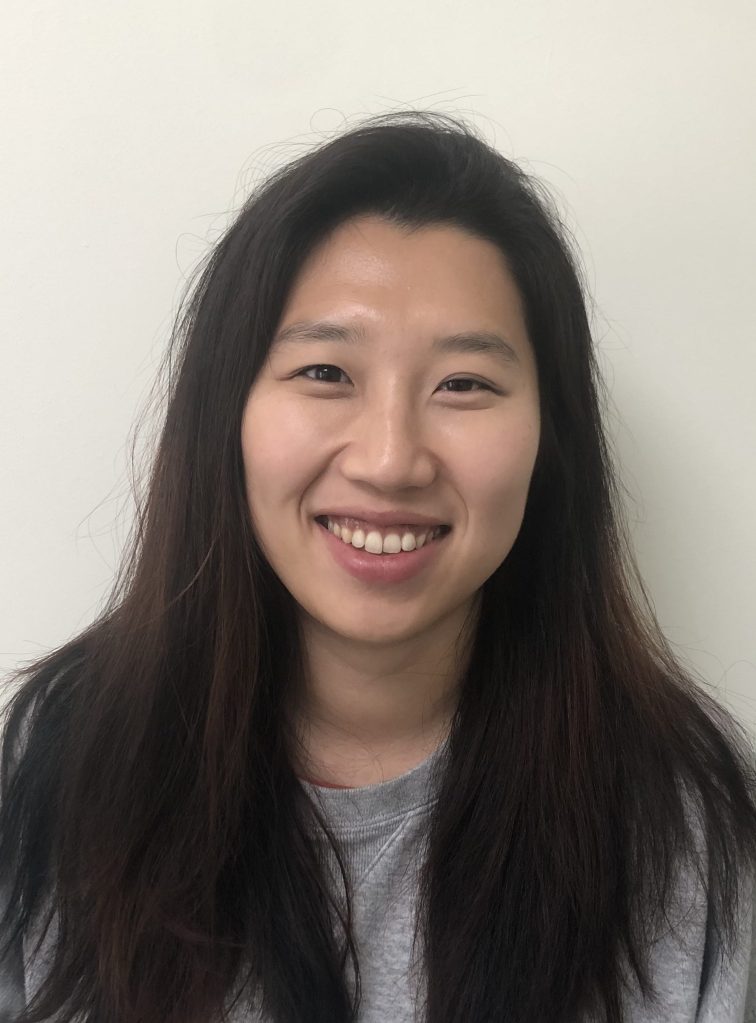
Group Leader
Education
PhD in Chemistry
University of Warwick, 2019
Advisor: Sébastien Perrier
MChem (inc. BSc) in Chemistry
University of Warwick, 2015
Advisor: Prof. Sébastien Perrier, Tutor: Prof. Giovanni Costantini
Hayley Parkin
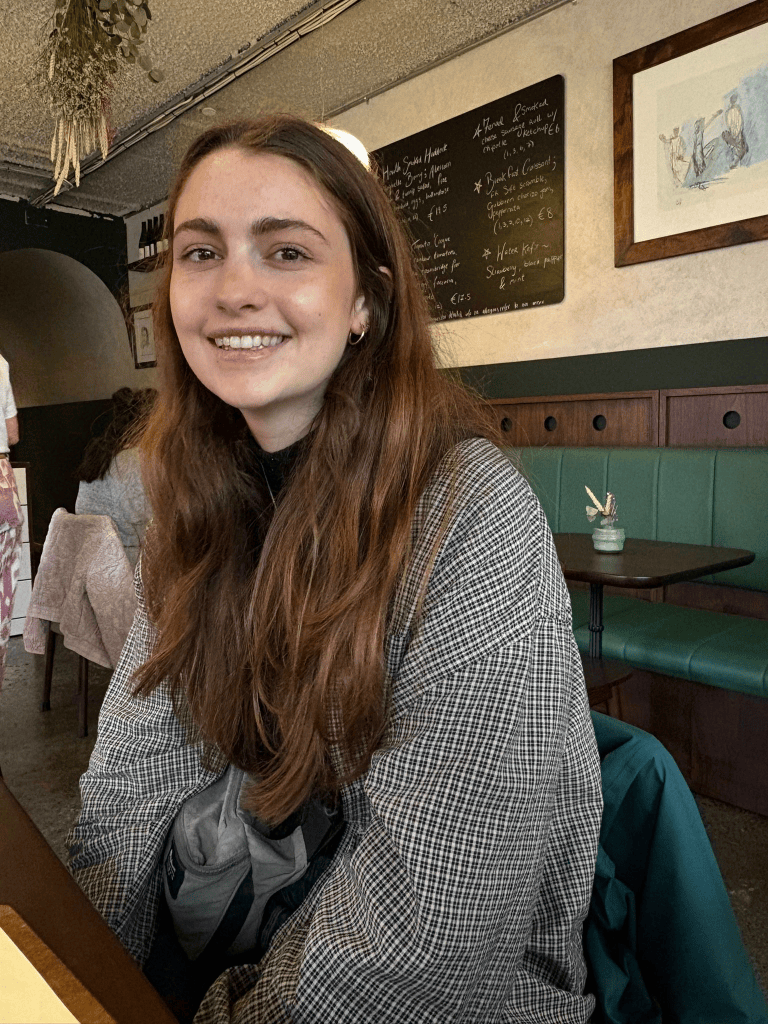
Marie Curie Postdoctoral Fellow
Hayley is a Marie-Skłowdowska Curie Postdoctoral Fellow. Her research focuses on developing new polymers to better understand how nanoparticles behave in biomedical applications.
Hayley started her scientific journey in 2016 as an undergraduate student at the University of Victoria, Canada. She completed a B.Sc (Hons.) in Chemistry for the Medical Sciences. Her undergraduate thesis, under the supervision of Lisa Rosenberg, investigated the synthesis of nickel and molybdenum phosphenium catalysts for hydrophosphination. In 2020 she joined Ian Manners’ group, also at the University of Victoria, to begin her PhD in chemistry. There, she investigated the antibacterial properties of well-defined polymer nanoparticles assembled via living crystallization-driven self-assembly. Throughout the project, she determined how nanoparticle length and shape affect antibacterial activity, established the full mechanism of action, and enhanced activity through antibiotic delivery. She also studied nanoparticle-mediated delivery of nucleic acids and chemotherapeutics to glioblastoma cells. After completing her PhD in 2024, Hayley moved to the University of Oxford as a postdoctoral research assistant to develop cubic lipid nanoparticles for targeted drug delivery to pancreatic cancer cells, using a combination of cryo-structured illumination microscopy and soft X-ray tomography to track the nanoparticles inside cells.
In her free time, Hayley enjoys playing racquet sports (squash, tennis, badminton!), going for runs (sometimes), travelling (if everything is on time), and singing (badly).
Hannah Howie

PhD Student
Hannah is a first-year PhD student in the Department of Chemistry at UCL. Her research focuses on assembling and disassembling polymeric nanoparticles, with the long-term goal of advancing their use in gene delivery.
In the summer of 2023, Hannah completed an internship under Dr. J. L. Kiappes, where she explored spatial visualization skills in organic chemistry and investigated effective ways to teach challenging concepts such as stereochemistry to first-year undergraduate students. The following summer, she was selected to participate in GSK’s 19th Residential Training Experience at their Stevenage site, gaining hands-on experience in a process chemistry laboratory. Hannah’s earlier research includes her undergraduate dissertation on the use of β-cyclodextrin nanoparticles in the treatment of Niemann–Pick C disease, and her Master’s project in the Rho Group, where she investigated polymer-plasmid nanoparticles for enhanced gene delivery.
Beyond the lab, Hannah serves as Events Manager for the Chemical and Physical Society at UCL, where she helps organise academic and social events for the department. In her free time, she enjoys playing the violin and spending time with her family.
Yaqi Yang

PhD Student
Yaqi earned her Master of Science degree in Food Science and Engineering from Shanghai Jiao Tong University in 2025. During her undergraduate studies, she developed edible antibacterial films, a type of biomaterial, focusing on their fabrication, mechanical properties, and antimicrobial performance. As a graduate student, she gained extensive experience in molecular biology, investigating the interactions between probiotics and human noroviruses.
Currently, Yaqi is a PhD student in Chemistry at UCL, working in Dr. Rho’s group on the development of dynamic stealth polymers. Her research explores innovative polymer systems designed for adaptive and responsive biomedical applications.
Outside the lab, Yaqi enjoys watching films and swimming.
Justine Sansom

PhD student – LiDo
Justine is a BBSRC LIDo PhD student completing a rotation in the Rho Research Group, with Dr Sabrina Simoncelli as secondary supervisor. Her project involves engineering T-cell surfaces with synthetic polymers to test how these coatings affect the organisation and function of immune receptors.
She graduated from the University of Warwick in 2025 with a BSc in Biochemistry. For her final-year project in the Pankratov Lab, she investigated how the glial‑neuronal signalling network contributes to cognitive decline and neurodegeneration by combining electrophysiological recordings of long‑term potentiation in wild‑type and dnSNARE mice with a systematic review. In Summer 2025, in the Pappu Lab at Washington University in St Louis, she engineered large DNA constructs for transcription, designed modular RNA‑recognition‑motif proteins and developed fluorescence assays that dissect how phase separation of the ALS‑linked protein TDP‑43 is regulated. In Summer 2024, in the Stone Lab at the University of Oxford, she explored BMP control of lymphatic-valve development using multiplex immunofluorescence, RNA-FISH, confocal microscopy, iDISCO tissue clearing, and light-sheet imaging. During university, in the Bowman Lab at Warwick Medical School, she established an in vitro ubiquitin-ligase assay for UBR7 and combined wet‑lab biochemistry with sequence analysis, AlphaFold predictions, and PyMOL visualisation to map conserved residues and suggest drug‑binding modes.
Outside the lab, Justine is a piano teacher, a musician (piano, viola, bassoon, saxophone), a keen runner, rock climber, and plays lacrosse and netball; she also enjoys cooking and reading.
Afsana Karim Anika

PhD student – AMDD CDT
Afsana holds a Bachelor’s degree in Pharmacy from BRAC University and a Master’s degree in Clinical Drug Development from Queen Mary University of London. Her early research explored computational drug discovery, investigating potential inhibitors of HSP72 and HSC70 proteins for cancer treatment.
She is now pursuing her PhD through the Centre for Doctoral Training (CDT) in Accelerated Medicines Design and Development (AMDD) at UCL. During her CDT rotation, she worked on automating the synthesis of polymers and polyplexes. Her industry rotation at AstraZeneca focused on the computationally guided design of polymeric excipients for amorphous solid dispersions (ASDs), combining RAFT polymer synthesis with miniaturised ASD screening using 2D inkjet-printed formulation microarrays.
Building on this experience, her PhD now focuses on engineering lipid nanoparticle surfaces to enable more precise mRNA delivery to cells involved in peripheral nerve repair, under the supervision of Dr. Pratik Gurnani, Dr. Julia Rho and Dr. James Phillips.
James Reeves
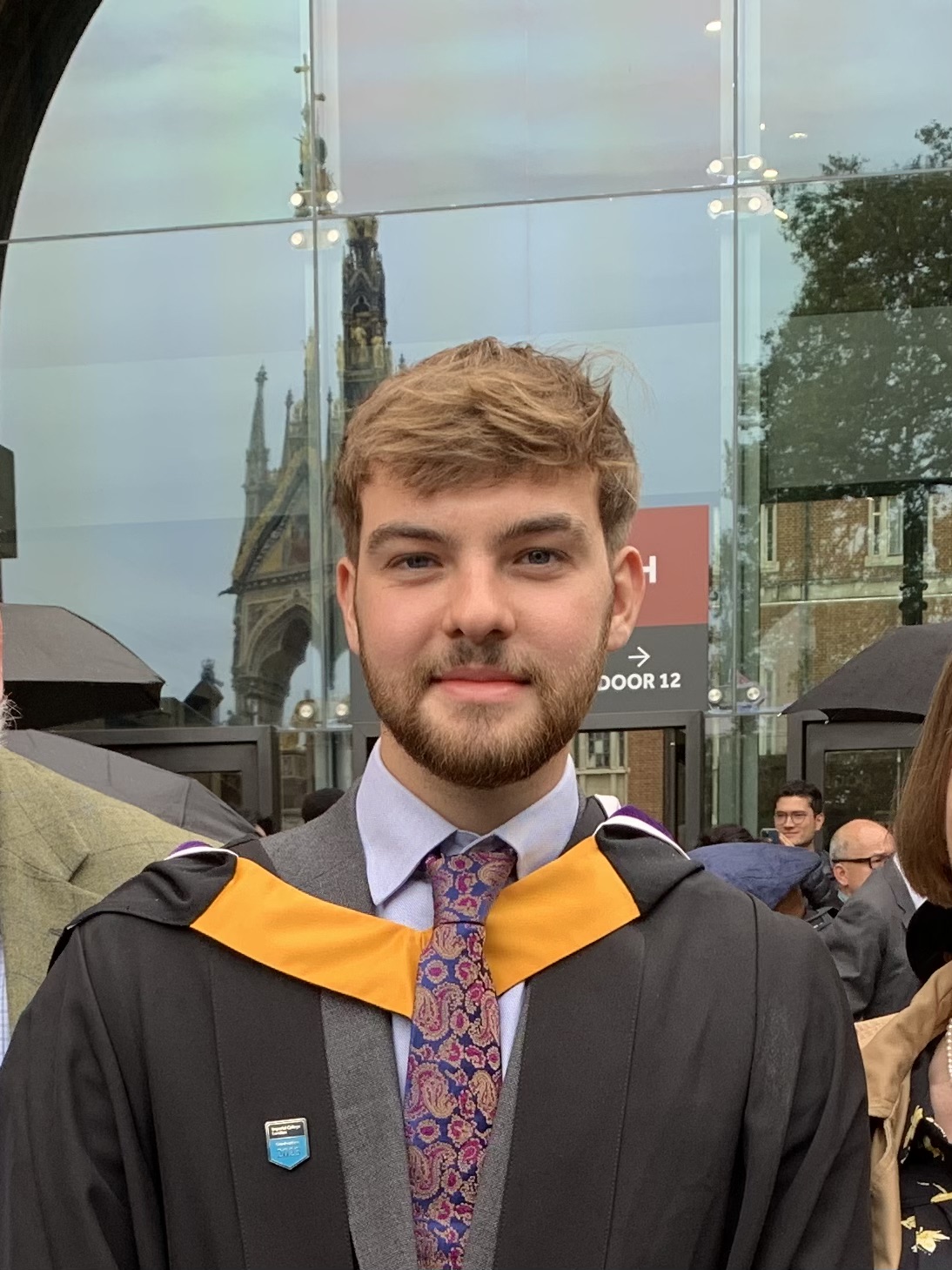
PhD student – A*STAR
James is a PhD Student on the UCL-A*STAR Programme. His project involves developing novel polymeric hydrogels to improve the performance of CAR-T Therapy against solid tumours.
With a BSc in Medical Biosciences from Imperial College London, James gained experience as a Research Assistant under Dr Diana Hernandez in the Immunotherapy Group at the Anthony Nolan Research Institute, working across cell therapy projects. He then undertook an MSc in Biomedical Engineering at the University of Strathclyde, culminating in a thesis investigating the potential of Polymeric Nanoparticles (pBAEs) in Chronic Kidney Disease in the IQS Nanotherapies Lab in Barcelona, under Prof. Cristina Fornaguera.
In his free time, James enjoys mountaineering, cycling & football, as well as live music and events
Lucia Pyne
PhD student – AMR CDT
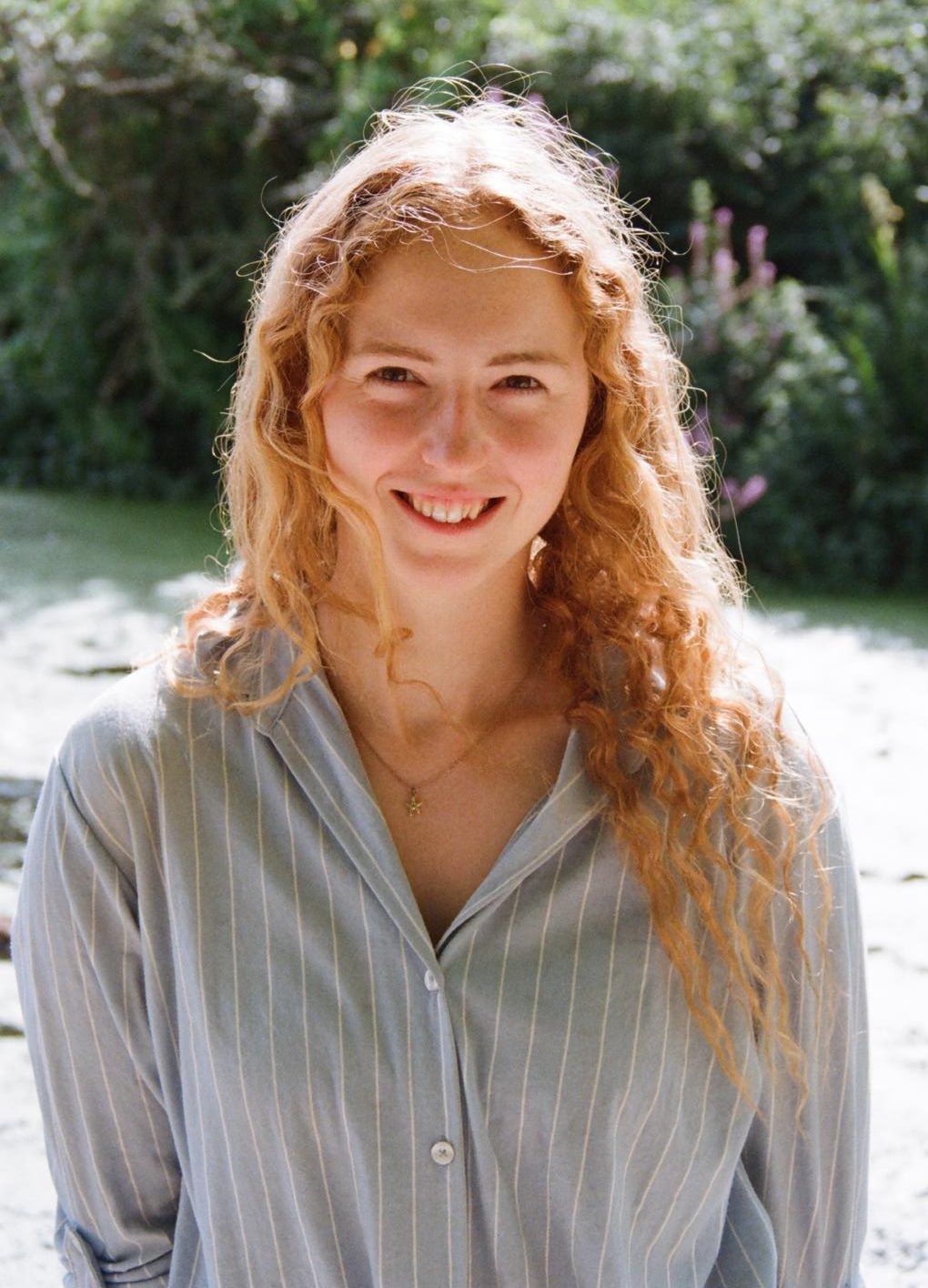
Lucia is a first-year PhD student in the EPSRC and BBSRC CDT for ‘Engineering Solutions for Antimicrobial Resistance’, working in both Dr. Rho and Dr. Gurnani’s groups. Her research involves using high-throughput automated synthesis and formulation platforms to generate and screen a diverse library of polymers optimised for mucosal delivery. Her aim is to develop polymer-based nanoparticles for the non-viral delivery of mRNA vaccines directly to mucosal tissues.
She graduated from the University of Oxford in 2026 with an MBiol in biology. For her master’s project in the Walsh Lab, she studied the impact of a fly intervention on wound infections in a resource-limited hospital in Nigeria.
Outside the lab, Lucia loves rowing, running, going camping, and cooking.
Chantelle Liew
Masters student
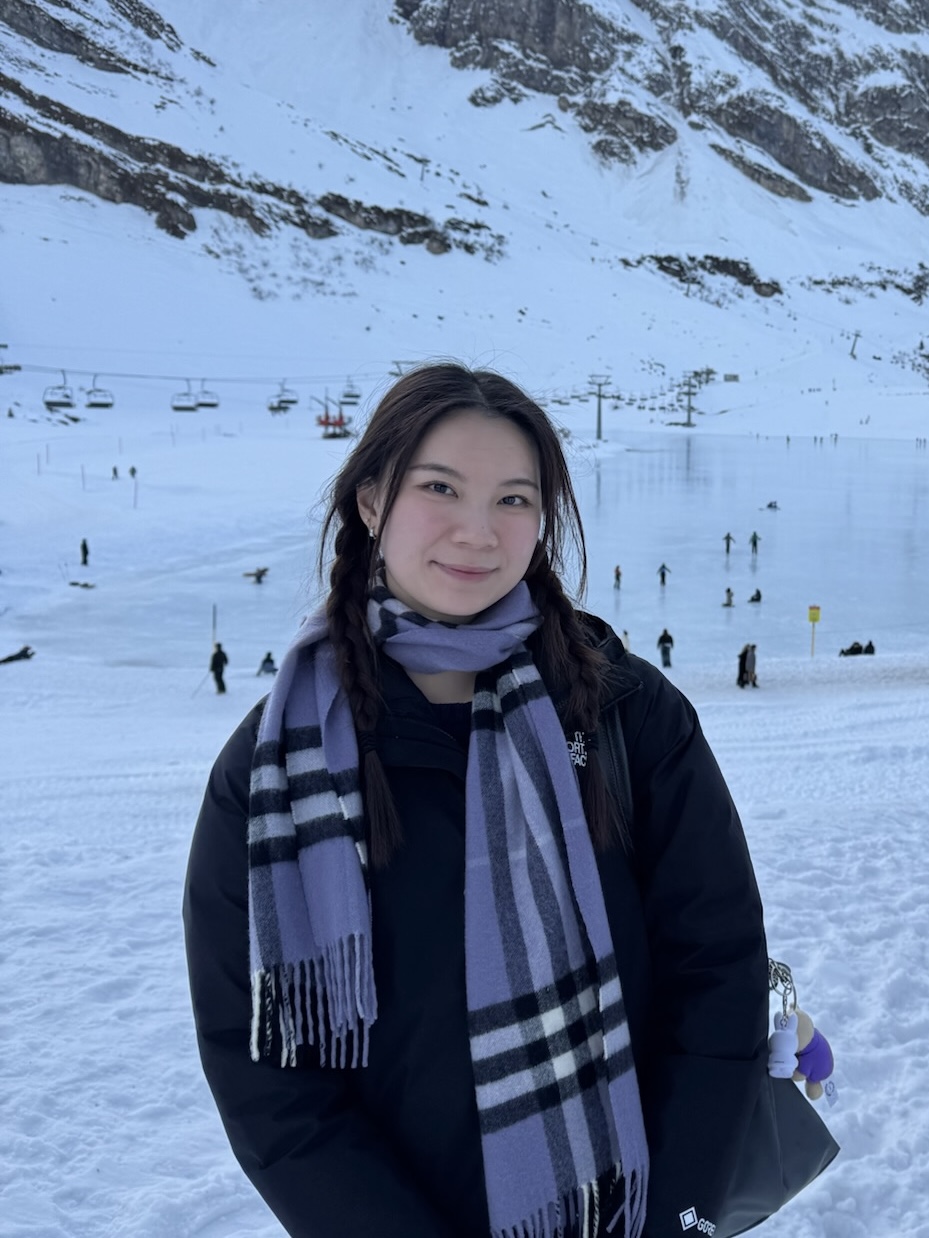
Chantelle is an MSci Chemistry student at UCL. For her master’s project, she is joining Rho Research Group, co-supervised by Dr Booth, working on DNA-decorated polymer nanoparticles for gene delivery.
In her second-year summer, she volunteered with Cancer Research Malaysia, applying computational work to discover potential therapeutics for head and neck cancer. Her third-year literature review, “Advancements in Single-Molecule Localisation Microscopy (SMLM) for Molecular Quantification: A Review on Research and Clinical Applications”, examined a range of SMLM techniques and their uses, including visualising Ras Dimerisation, detecting low-density cancer marker CD19 in multiple myeloma cells, and the detection of MET and EGFR complexes in cancer therapy.
Beyond the lab, Chantelle is Treasurer for the departmental society, Chemical Physical Society (CPS) at UCL, where she oversees funding and expenses for the society.
Poppy Swanton
Masters student
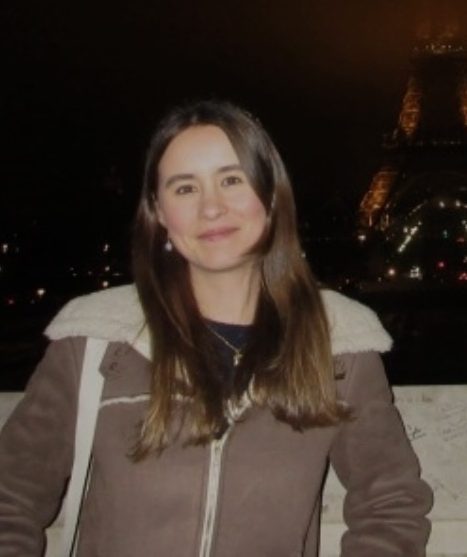
Poppy is an MSci Chemistry student at UCL. For her master’s project, she is joining Rho Research Group, co-supervised by Professor Chudasama, working on developing antibody-polymer dye conjugates for targeted drug delivery.
In her second-year summer, she completed an internship at Bicycle Therapeutics, performing solid phase peptide synthesis in the preparation of bicyclic peptides conjugated to cytotoxic payloads offering alternatives to antibody drug conjugates. During her third-year study abroad at UC Berkeley, she worked as a lab apprentice studying the food-web ecology of Hawaiian spiders by gut-content DNA metabarcoding. She catalogued each plate by family on a photographic database before performing PCR amplification of the extracted DNA, preparing a metabarcoding library for high-throughput sequencing. The resulting data will help map trophic interactions across the ecosystem, identifying dependencies that could leave some species vulnerable to extinction.
Beyond the lab, Poppy enjoys swimming and running as well as spending time with her golden retriever.
Katerina Kostopoulos
Masters student
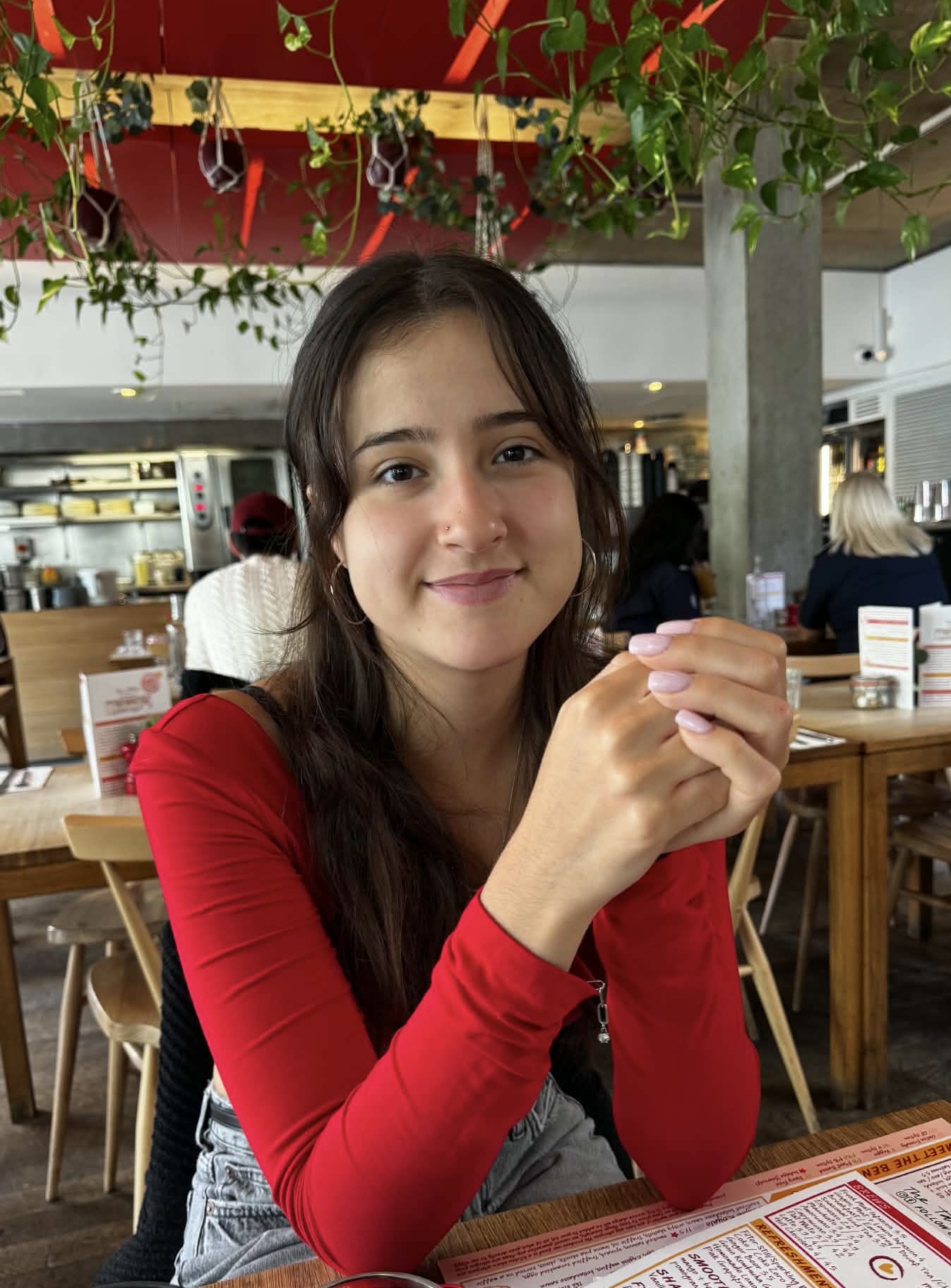
Katerina is an MSc Chemical Research student at UCL, joining the Rho Research Group for her Master’s research project. She is particularly interested in polymer nanoparticles and how their properties influence self-assembly, disassembly, and potential applications in drug delivery.
She graduated from King’s College London in 2026 with a BSc in Chemistry. For her undergraduate research project, she investigated the synthesis, self-assembly and characterisation of low-molecular-weight gelators, exploring how intermolecular interactions and solvent polarity influence gel formation. Her final-year literature research focused on molecular imaging approaches for vitamin B12 deficiency, exploring novel radiotracer development through bioconjugation and direct radiolabelling strategies, and their potential applications in biomedical imaging.
Outside the lab, Katerina enjoys travelling and exploring new places, cooking (and eating her creations), and binge-watching TV shows.
Lea Bengoechea Higueras

Masters student
🙂
This could be you 🙂

If you are interested in working in the group then please get in touch.
Please email Julia at j.rho@ucl.ac.uk.
Group Alumni
Masters students
- Hannah Howie, 2025, on to a PhD at UCL.
- Erika Holz, 2025, on to a PhD at the University of Leeds.
- Basmah Alahmadi, 2025, Saudi Aramco.
- Yu Sun, 2025
- Salama Abdullahi, 2026
- Jerry (Muyu) Xu, 2025, on to a PhD at the University of Warwick
- Mudra Gol, 2026
- Snehya Gorasia, 2026
- Madison Hite, 2026
Undergraduates
- George Tarasidis, Davidson College, 2025, on to a PhD at UC Berkeley.
- Beatrix Patterden, 2025, on to a PhD at UCL.
- Jerry Xu, UCL, 2025
- Xiang Bing Chen, UCL, 2026

